Technology continues to transform the way people live, work, communicate, and solve everyday problems. From artificial intelligence and smart devices to cloud computing and advanced automation, digital innovation is moving forward at an extraordinary pace. The technologies that seemed futuristic only a few years ago are now becoming part of everyday life.
Understanding emerging technology trends is important for individuals, businesses, students, and professionals. It helps people prepare for changes in the workplace, make better technology decisions, and take advantage of new opportunities. While no one can predict the future with complete certainty, several major technology trends are already shaping the direction of the digital world.
Artificial Intelligence Will Become More Common
Artificial intelligence is one of the most influential technology developments of recent years. AI systems can analyze information, recognize patterns, generate content, assist with tasks, and support decision-making.
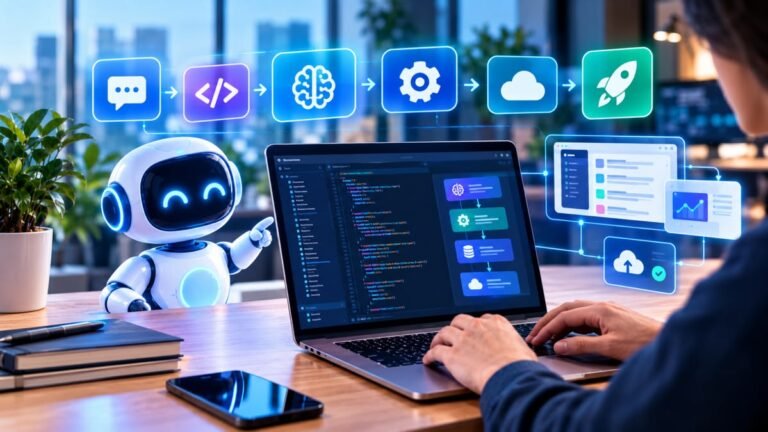
In the future, AI is likely to become increasingly integrated into software and digital services. Instead of always using a separate AI application, people may interact with AI features directly inside search engines, office software, smartphones, websites, customer-service platforms, and other everyday tools.
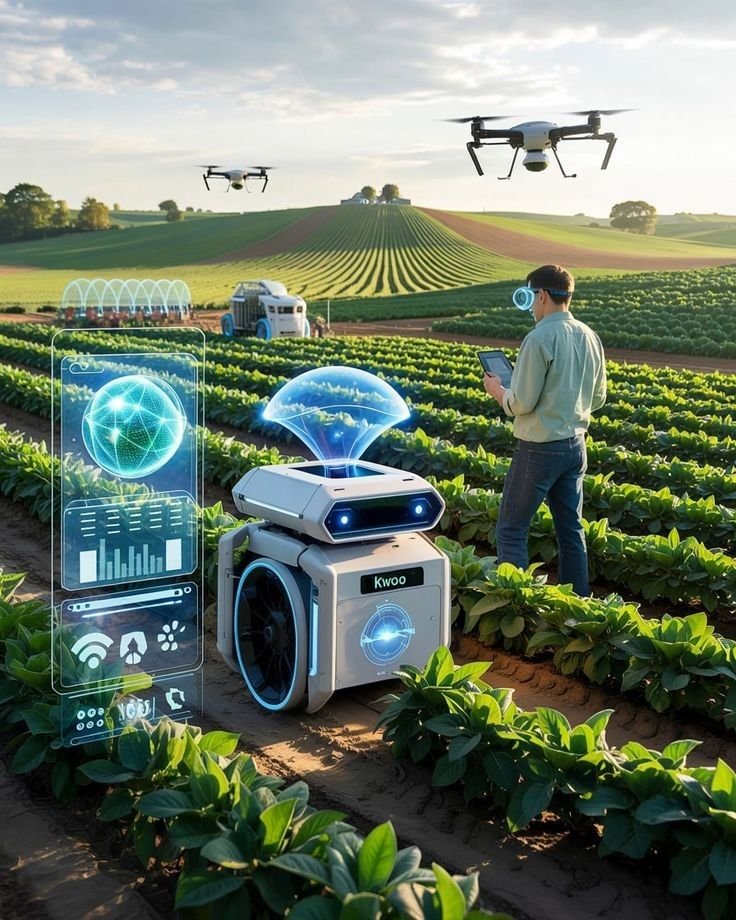
Businesses can also use AI to automate repetitive tasks and analyze large amounts of information. This may allow employees to spend more time on creative thinking, problem-solving, and strategic work.
However, responsible use of AI will remain important. Accuracy, privacy, security, transparency, and human oversight will all play an important role as AI becomes more powerful.
Smart Devices Will Become More Connected
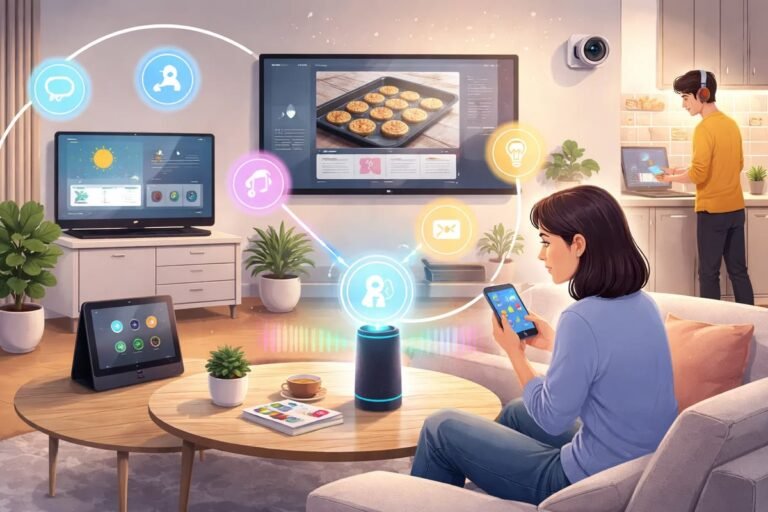
Smart technology is another major trend that will influence the future. Smartphones, watches, home appliances, vehicles, security systems, and other connected devices can communicate through digital networks.
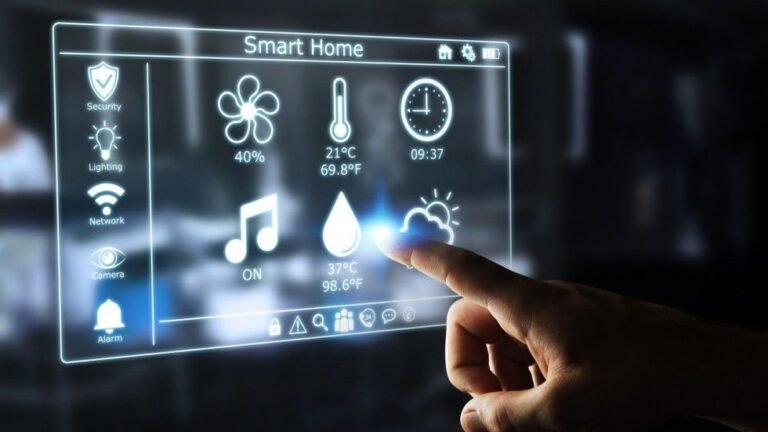
The growth of connected devices is creating a more integrated digital environment. For example, smart home technology can allow users to manage lighting, temperature, security systems, and appliances through applications or voice commands.
Future smart devices may become better at understanding user preferences and responding automatically. This could make everyday activities more convenient while also creating new challenges involving data collection and privacy.
Consumers will increasingly need to understand what information their devices collect and how that information is stored or shared.
Cloud Computing Will Continue to Grow
Cloud computing has already changed how individuals and organizations store and access digital information. Instead of relying entirely on local computers and physical storage devices, users can access applications and files through internet-based services.
Cloud technology makes it easier for teams to collaborate remotely, manage data, and scale digital services. Small businesses can also use cloud-based tools without making large investments in physical infrastructure.
In the future, cloud computing is likely to become even more closely connected with artificial intelligence, data analytics, cybersecurity, and business software.
This continued development could make advanced digital capabilities more accessible to organizations of different sizes.
Cybersecurity Will Become Even More Important
As more activities move online, cybersecurity will become a critical part of everyday digital life. People use the internet for communication, shopping, banking, education, entertainment, and professional activities. This creates valuable opportunities but also increases the importance of protecting accounts and personal information.
Future cybersecurity system