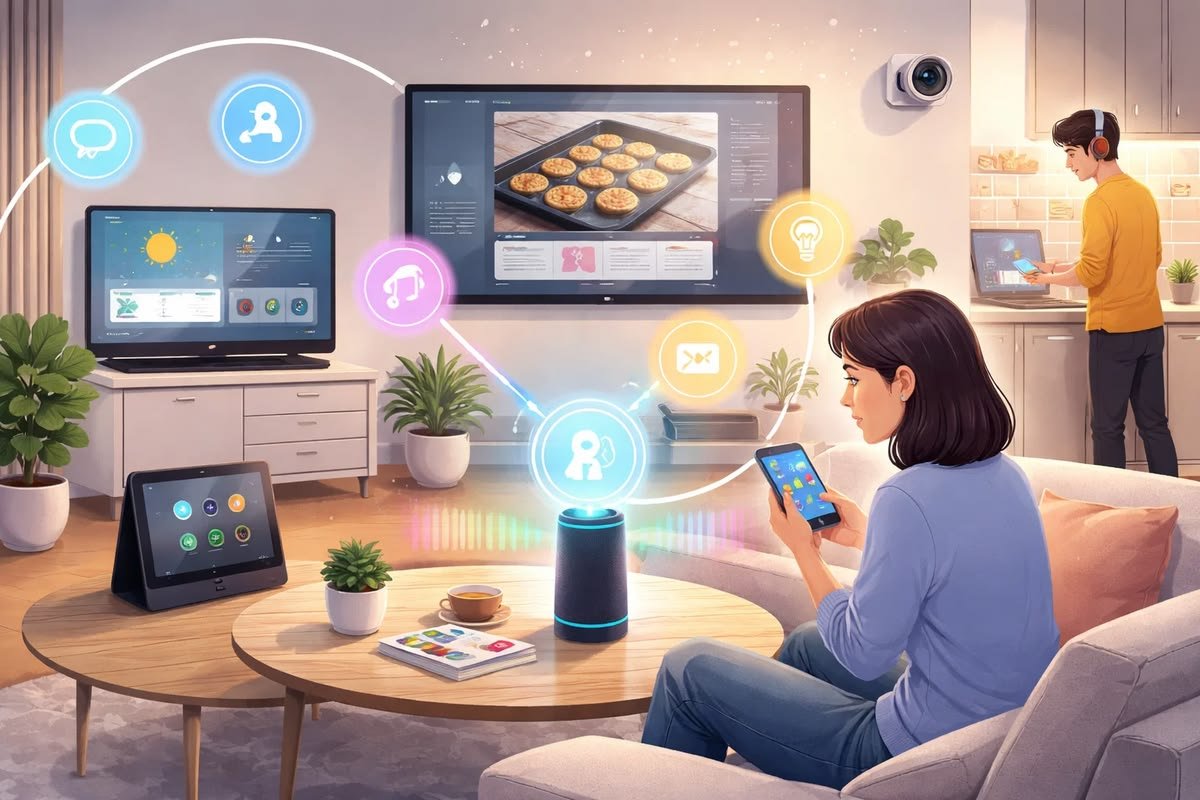
Smart technology has quickly become a part of everyday life. Smartphones, smartwatches, connected appliances, security systems, and voice-controlled devices have changed the way people interact with technology.
What makes these devices different from traditional electronics is their ability to connect, collect information, communicate with other systems, and sometimes make automated decisions. As artificial intelligence, wireless connectivity, and cloud computing continue to improve, smart devices are expected to become even more capable.
The future of connected living could make homes, workplaces, transportation, and daily routines more convenient and efficient.
What Are Smart Devices?
Smart devices are electronic products that can connect to networks and perform tasks using software and digital information.
A smartphone is one of the most common examples. It can communicate with online services, use applications, track information, and connect with other devices.
Other examples include smart TVs, fitness trackers, connected cameras, smart thermostats, smart lighting, and internet-connected appliances.
The important feature is connectivity. Devices can communicate with users and, in many cases, with one another.
The Growth of the Smart Home
Smart homes are becoming increasingly popular as connected devices become more affordable and easier to use.
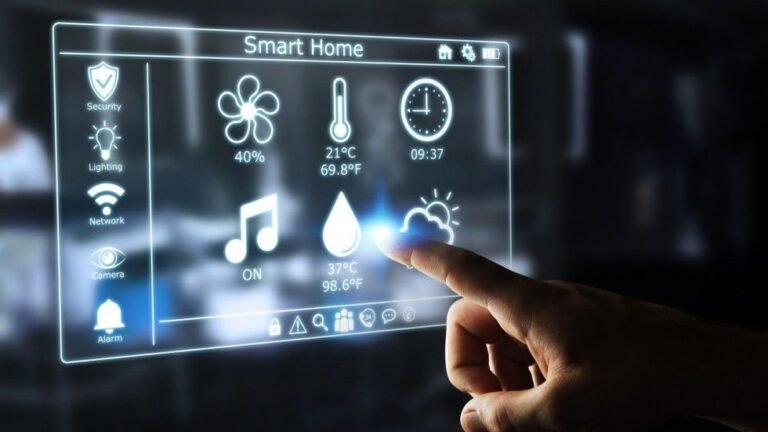
A smart home may include automated lighting, connected security cameras, smart doorbells, thermostats, speakers, and appliances.
Users can control many of these devices through mobile applications or voice commands. Some systems can also operate automatically based on schedules, sensors, or other conditions.
For example, lights may turn on automatically when someone enters a room, while a smart thermostat may adjust the temperature according to a predefined schedule.
These features can make everyday life more convenient and potentially improve energy management.
Artificial Intelligence and Smart Devices
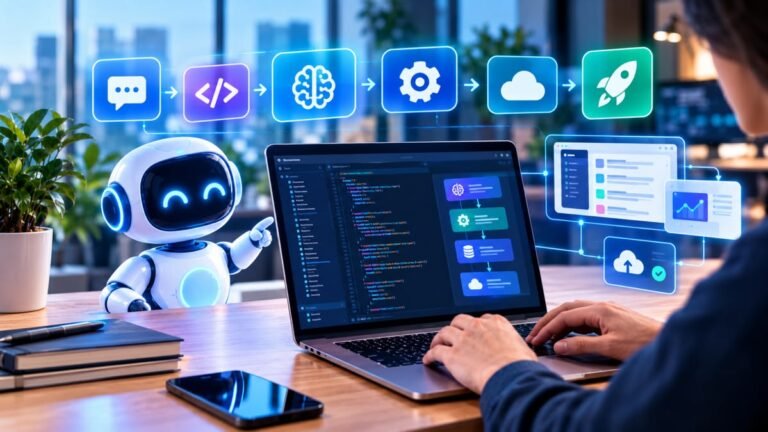
Artificial intelligence is expected to play an important role in the next generation of smart devices.
Instead of simply following basic commands, future devices may become better at understanding context and user preferences.
An AI-powered assistant could potentially learn which tasks a person performs regularly and provide useful suggestions.
Smart devices may also use AI to identify unusual activity, optimize performance, or automate repetitive processes.
However, more intelligent devices also require responsible data management. Users should understand what information is collected and how it is processed.
Wearable Technology
Wearable devices have developed beyond simple watches and step counters.
Modern smartwatches and fitness trackers can monitor activity, provide notifications, track workouts, and connect with smartphones.
Future wearable technology may become even more integrated into daily routines. Devices could provide more personalized insights and interact with other connected systems.
However, users should remember that wearable measurements may not always be perfectly accurate. Health-related concerns should be discussed with qualified professionals rather than relying solely on consumer devices.
Connected Entertainment
Entertainment is also becoming more connected.
Smart televisions can access streaming platforms, online applications, games, and other digital services. Speakers and other devices can be connected throughout a home.
In the future, entertainment systems may become more personalized through artificial intelligence.
Instead of manually searching through large amounts of content, users may receive recommendations based on their preferences and viewing habits.
This can make entertainment more convenient, although personalization also raises questions about data collection and privacy.
Smart Transportation
Connected technology is transforming transportation as well.
Modern vehicles increasingly include navigation systems, driver-assistance features, connected applications, and digital entertainment systems.
Vehicles may communicate with smartphones and other services to provide information about traffic, routes, maintenance, and vehicle performance.
Electric vehicles are also becoming an important part of the changing transportation landscape.
As connected transportation develops, cybersecurity will become increasingly important because vehicles depend on software and digital communication.
Benefits of Connected Living
Connected technology can provide several benefits.
Convenience
Users can control devices remotely and automate repetitive activities.
Efficiency
Smart systems can help manage energy, time, and other resources more efficiently.
Accessibility
Connected technology can make certain tasks easier for people with different needs and abilities.
Personalization
AI-powered systems can adapt services according to individual preferences.
Better Information
Connected devices can provide real-time updates and useful insights.
These advantages explain why smart technology continues to grow.
Privacy and Data Concerns
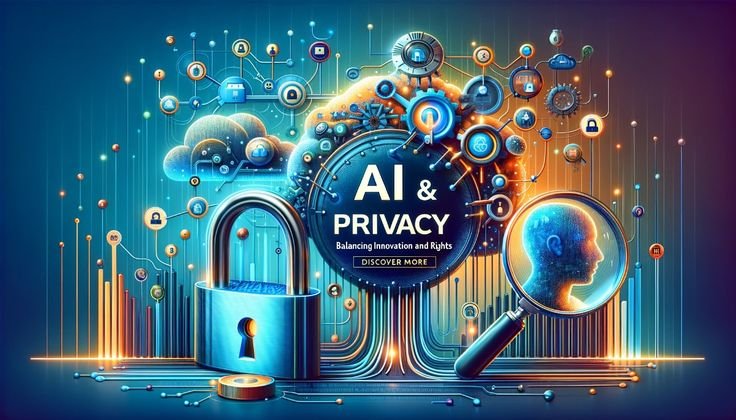
The expansion of connected devices also creates privacy challenges.
Smart devices may collect information about user behavior, preferences, locations, and routines. If this information is poorly protected, it could create privacy risks.
Consumers should therefore review privacy settings and understand what information a device collects.
It is also important to use strong passwords and enable available security features.
Users should avoid connecting unnecessary devices to sensitive networks and should regularly install software updates.
Cybersecurity for Smart Devices
Every connected device can potentially become a security target.
A poorly secured smart camera, router, appliance, or other device could create an entry point for unauthorized access.
Simple security practices can reduce many risks. Users should change default passwords, keep software updated, use secure Wi-Fi networks, and purchase devices from reputable manufacturers.
Businesses and manufacturers also have a responsibility to design products with security in mind.
The Role of Cloud Computing
Many smart devices depend on cloud services.
Cloud computing allows devices to store information and communicate with online platforms without keeping everything locally.
This makes it easier for users to access information from multiple devices.
For example, a person may control a smart home system through a smartphone even when they are away from home.
However, cloud-based systems also require strong security because information is transmitted and stored through online infrastructure.
The Future of Connected Living
The future could bring a much more integrated digital environment.
Homes, vehicles, wearable devices, smartphones, and other systems may communicate more efficiently.
Artificial intelligence could coordinate many of these technologies and reduce the need for users to manually control every device.
For example, a connected home might automatically adjust lighting, temperature, entertainment, and security settings based on schedules and user preferences.
The goal should not simply be to create more connected devices. The most useful technologies will be those that solve real problems and provide meaningful benefits.
Making Smart Technology More Responsible
Technology companies can improve the future of connected living by focusing on privacy, security, transparency, and user control.
Consumers should also make informed choices instead of purchasing devices simply because they are labeled “smart.”
Before buying a connected product, users can consider its security features, privacy policies, software update support, and compatibility with existing systems.
Responsible adoption can help ensure that smart technology remains useful without creating unnecessary risks.
Conclusion
Smart devices are changing the relationship between people and technology. Connected homes, wearable devices, intelligent vehicles, and AI-powered systems are making everyday activities more automated and personalized.
The future of connected living offers exciting possibilities, but convenience must be balanced with privacy and security.
As smart technology continues to develop, the most successful systems will likely be those that combine useful features with strong protection, transparent data practices, and meaningful control for users. With responsible development and informed use, connected technology can become an increasingly valuable part of modern life.