
Technology has become one of the most important forces shaping modern life. From smartphones and cloud services to artificial intelligence and smart devices, new technologies are changing how people communicate, work, learn, shop, and manage their everyday activities.
The pace of technological development continues to increase. Innovations that once seemed futuristic are now becoming practical tools used by millions of people. As emerging technologies continue to develop, they are likely to influence not only individual lifestyles but also businesses, education, healthcare, transportation, and many other areas.
Understanding these changes can help people prepare for a future where digital technology plays an even greater role.
The Rise of Smart Technology
Smart technology is becoming increasingly common in homes, workplaces, and public spaces. Smart devices can connect to the internet, collect information, and perform tasks with limited human involvement.
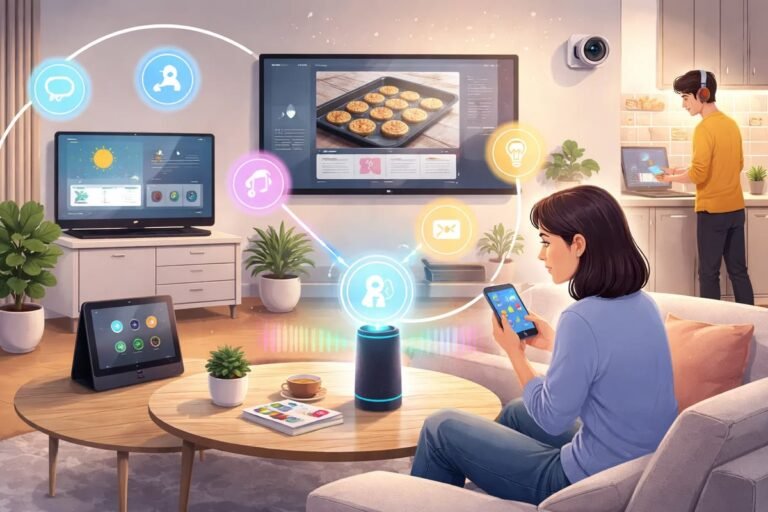
Smart speakers, connected lighting systems, security cameras, thermostats, watches, and household appliances are examples of this growing ecosystem.
The main advantage of smart technology is convenience. Users can control many devices remotely, automate repetitive tasks, and receive useful information through connected applications.
As connectivity improves, smart technology is expected to become more integrated into everyday routines.
Technology and the Modern Workplace
The workplace has changed significantly because of digital technology.
Cloud computing allows employees to access files and applications from different locations. Video conferencing makes it possible for teams to communicate without being in the same office. Project management platforms help organizations coordinate tasks and deadlines.
Automation is also changing how employees spend their time. Repetitive processes can often be handled by software, allowing workers to focus on tasks that require creativity, communication, and problem-solving.
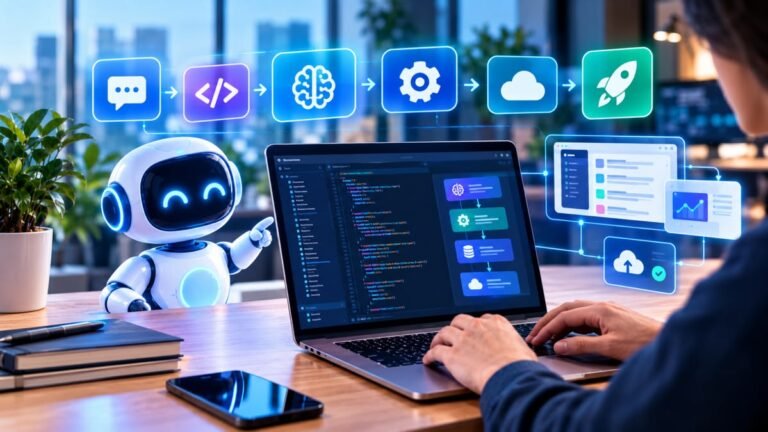
Artificial intelligence is adding another layer to this transformation. AI-powered tools can assist with writing, data analysis, customer support, research, and many other activities.
Technology is therefore not simply replacing old workplace processes. In many cases, it is changing how people perform their jobs.
The Growth of Remote and Flexible Work
Digital technology has made remote work more practical for many industries.
Employees can communicate through video meetings, collaborate on online documents, manage projects through cloud platforms, and access company systems from different locations.
This flexibility can provide benefits for both organizations and workers. Businesses may gain access to talent from wider geographic areas, while employees may have more flexibility in managing their schedules.
However, remote work also creates challenges. Employees need reliable internet connections, appropriate equipment, good communication habits, and strong cybersecurity practices.
The future workplace is likely to combine remote, hybrid, and traditional working models depending on the needs of different industries.
Technology Is Transforming Education
Education is another area experiencing major technological change.
Online learning platforms allow students to access courses, tutorials, and educational resources from almost anywhere. Digital classrooms can connect teachers and students across geographic boundaries.
Artificial intelligence may also provide personalized learning experiences. Educational software can analyze performance and recommend resources based on individual needs.
Technology does not eliminate the importance of teachers. Instead, it can give educators additional tools for explaining concepts, organizing lessons, and supporting students.
The combination of human teaching and digital resources could make education more flexible and accessible.
The Impact of Technology on Communication
Communication has become faster and more convenient than ever.
People can send instant messages, make video calls, share files, and communicate with international audiences within seconds. Social platforms have also created new ways for individuals and businesses to reach large communities.
However, faster communication also requires greater digital awareness.
People should think carefully before sharing personal information or reacting to online content. Misinformation, scams, and manipulated media can spread quickly.
As digital communication becomes more advanced, media literacy and responsible online behavior will become increasingly important.
Smart Homes and Connected Living
The modern home is becoming more connected.
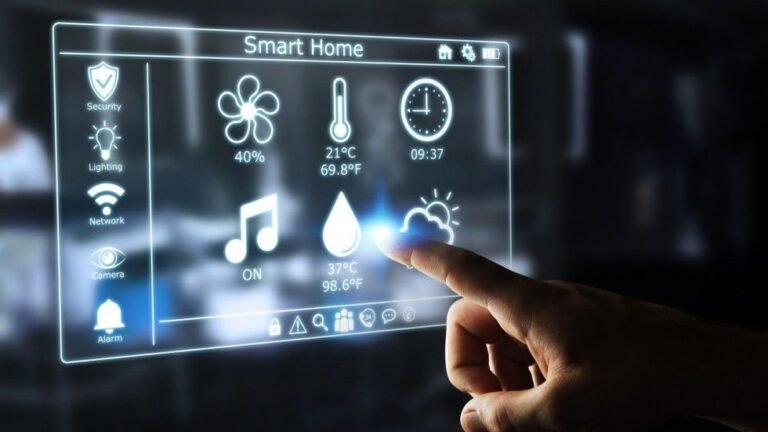
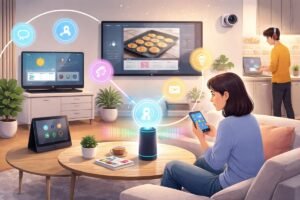
Smart thermostats can adjust temperatures automatically. Connected security systems can provide alerts when unusual activity is detected. Smart lighting can be controlled through mobile applications or automated schedules.
These technologies can improve convenience and, in some situations, energy efficiency.
However, connected devices also introduce security considerations. Every internet-connected device can potentially become a target if it is poorly protected.
Users should therefore change default passwords, install available updates, use secure networks, and choose devices from reputable manufacturers.
Technology and Healthcare
Healthcare is also benefiting from digital innovation.
Telemedicine allows patients to communicate with healthcare professionals remotely in situations where in-person visits are not necessary. Digital health platforms can help people organize appointments, access information, and monitor certain health-related data.
Wearable devices can track measurements such as activity levels, sleep patterns, and heart rate. These tools can provide useful information, although they should not automatically be treated as replacements for professional medical advice.
Artificial intelligence is also being explored for medical research, data analysis, and diagnostic support.
The combination of technology and healthcare has the potential to improve efficiency while giving people more convenient ways to access certain services.
The Future of Transportation
Transportation is another sector being transformed by technology.
Electric vehicles are becoming increasingly common, while advanced driver-assistance systems are improving safety and convenience. Navigation applications already use digital data to provide route recommendations and traffic information.
Autonomous driving technology is also being developed. Although fully autonomous transportation still faces technical, legal, and safety challenges, continued research could change how people travel in the future.
Smart transportation systems may also help cities manage traffic more efficiently by using real-time information.
The Importance of Digital Skills
As technology becomes more important, digital skills are becoming valuable in almost every profession.
People do not necessarily need to become software developers to benefit from technology. Basic skills such as using productivity software, understanding online security, managing digital information, and evaluating online sources can make a significant difference.
Continuous learning is particularly important because technology changes quickly.
A skill that is valuable today may evolve as new tools and platforms become available. Developing a habit of learning can help individuals remain adaptable.
Challenges of a More Digital Future
Technological progress offers many opportunities, but it also creates challenges.
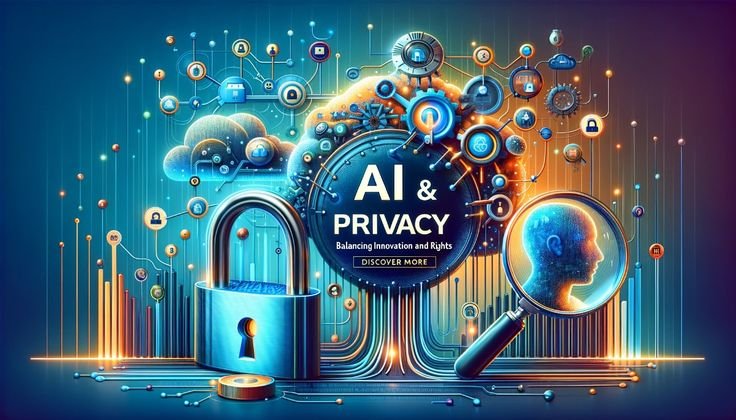
Privacy is one major concern. More connected devices and online services can result in increased data collection.
Cybersecurity is another concern. Individuals and businesses need to protect accounts, devices, networks, and sensitive information from unauthorized access.
There are also concerns about the impact of automation on employment. Some tasks may become automated, while new roles and industries may emerge.
The goal should not simply be to adopt every new technology. Instead, people and organizations should evaluate whether a technology provides meaningful benefits and whether its risks can be managed responsibly.
Preparing for the Future
The best way to prepare for technological change is to remain curious and adaptable.
People can learn about new digital tools, improve their cybersecurity habits, develop useful professional skills, and stay informed about major technology trends.
Businesses can invest in employee training, modern infrastructure, and responsible technology policies.
Governments and organizations also have an important role in developing appropriate standards that encourage innovation while protecting users.
Conclusion
Emerging technology is changing the way people live and work. Smart devices, artificial intelligence, cloud computing, remote work, digital education, connected healthcare, and advanced transportation are only some of the developments shaping the modern world.
The future will likely bring even greater levels of connectivity and automation. While these changes can create new opportunities, they also require responsible decision-making and strong digital awareness.
Technology is most valuable when it improves people’s lives while respecting privacy, security, and human needs. By developing useful digital skills and adapting to change, individuals and organizations can make the most of the technological opportunities ahead.