Automation is becoming one of the most important developments in modern technology. From automated customer service and smart home systems to advanced manufacturing and artificial intelligence, automated processes are changing how people and businesses complete everyday tasks.
The basic idea behind automation is simple: technology performs certain tasks with limited human intervention. However, modern automation is becoming much more sophisticated. Artificial intelligence, machine learning, robotics, cloud computing, and connected devices are allowing systems to respond to information and make decisions in increasingly complex environments.
As these technologies continue to develop, automation is likely to influence almost every major industry.
What Is Technology Automation?
Technology automation involves using software, machines, or intelligent systems to perform tasks that would traditionally require manual effort.
Simple automation may involve a program sending an email automatically at a scheduled time. More advanced systems can analyze information, identify patterns, and determine what action should happen next.
Automation can be used for repetitive activities, data processing, monitoring, communication, manufacturing, transportation, and many other processes.
The main goal is often to improve efficiency while reducing unnecessary manual work.
Automation in the Workplace
Modern businesses are increasingly using automation to improve workplace productivity.
Tasks such as scheduling, data entry, invoice processing, reporting, and routine customer communication can often be partially or fully automated.
This allows employees to spend more time on activities that require creativity, strategic thinking, communication, and problem-solving.
For example, an automated system can organize incoming information while employees focus on analyzing the results and making decisions.
Automation does not necessarily mean eliminating human involvement. In many situations, the most effective approach is to combine automated systems with human supervision.
Artificial Intelligence and Intelligent Automation
Artificial intelligence is making automation more flexible.
Traditional automation generally follows predefined instructions. AI-powered systems can analyze data and adapt their responses based on patterns and available information.
For example, an AI-powered customer service system may understand different versions of a customer’s question and provide an appropriate response.
Machine learning can also help automated systems improve their performance by learning from historical data.
However, AI systems can make errors. Human oversight remains important, especially when automated decisions could have significant consequences.
Automation in Manufacturing
Manufacturing has been using automation for many years, but modern robotics and AI are expanding its capabilities.
Robotic systems can perform repetitive tasks with consistent speed and precision. Automated systems can also monitor production lines and identify certain problems.
Smart manufacturing facilities may use sensors to track equipment performance and detect potential maintenance issues before serious failures occur.
This approach can reduce downtime and improve production efficiency.
At the same time, workers may need new technical skills to operate, maintain, and manage increasingly automated systems.
Automation in Transportation
Transportation is another area where automation is developing rapidly.
Modern vehicles already include automated features such as adaptive cruise control, parking assistance, lane-related alerts, and navigation systems.
More advanced autonomous driving technologies are also being developed.
Beyond individual vehicles, automation can support public transportation, traffic management, logistics, and delivery systems.
Automated transportation could eventually improve efficiency and reduce some types of human error, although safety, regulation, infrastructure, and technical reliability remain important challenges.
Smart Home Automation
Automation is becoming increasingly common in homes.
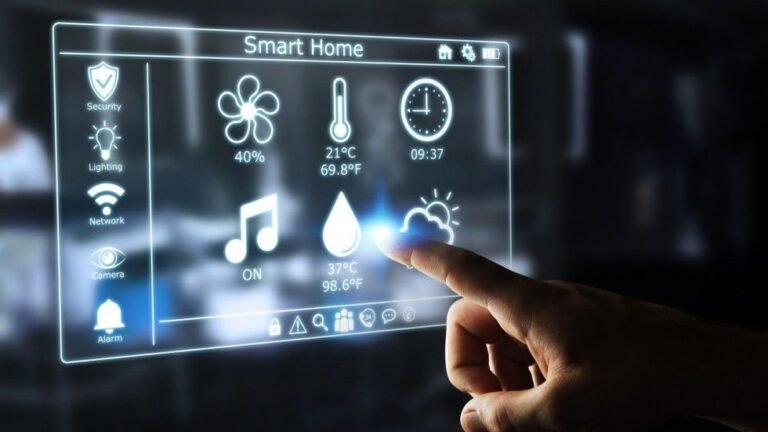
Smart lights can operate according to schedules. Thermostats can adjust temperatures automatically. Security systems can send alerts when unusual activity is detected.
These technologies can make everyday routines more convenient.
Home automation can also help manage energy consumption by turning devices off when they are not needed.
However, connected home systems must be secured properly. Users should use strong passwords, update devices regularly, and carefully manage access permissions.
Automation in Healthcare
Healthcare organizations are also exploring automation.
Administrative tasks such as appointment scheduling, reminders, record management, and billing can often benefit from automated systems.
Automation can reduce repetitive work and allow healthcare professionals to focus more attention on patients.
AI-assisted technologies are also being researched for medical data analysis and decision support.
Because healthcare involves sensitive information and important decisions, automated systems must be used carefully. Human professionals should remain responsible for decisions that require medical judgment.
Automation in Finance
Financial institutions use automation for many activities.
Automated systems can process transactions, monitor accounts, generate reports, and identify potentially unusual activity.
Fraud detection systems can analyze large amounts of transaction information and flag patterns that may require further investigation.
Automation can also make financial services faster and more convenient for customers.
However, financial automation must be designed carefully because incorrect decisions can affect people’s money and access to important services.
Automation and Customer Service
Many companies now use automated chat systems to answer common customer questions.
These systems can operate around the clock and provide immediate responses to frequently asked questions.
For simple requests, automation can provide a convenient experience. More complicated problems can be transferred to human representatives.
A balanced approach is important. Customers should have access to human assistance when an automated system cannot properly understand or resolve their problem.
How Automation May Change Jobs
One of the most discussed effects of automation is its impact on employment.
Some repetitive tasks may become automated, which could reduce demand for certain types of work. At the same time, technology can create new roles involving software development, system management, cybersecurity, data analysis, robotics, and AI.
Jobs are often changed by technology rather than simply eliminated.
Workers may therefore need to develop new skills and adapt as their industries evolve.
Continuous learning can help employees remain competitive in an increasingly automated economy.
Benefits of Automation
Automation can provide several important benefits.
Increased Efficiency
Automated systems can complete repetitive processes quickly and consistently.
Reduced Errors
Well-designed automation can reduce certain types of human mistakes.
Lower Operational Costs
Businesses may reduce the resources required for repetitive processes.
Better Productivity
Employees can focus on higher-value tasks instead of routine activities.
24/7 Operation
Automated systems can often operate continuously without traditional working-hour limitations.
These advantages explain why automation is becoming common across many industries.
Challenges and Risks
Automation also creates challenges.
Poorly designed systems can produce incorrect results. Technical failures can interrupt important services. Cybersecurity vulnerabilities can create additional risks.
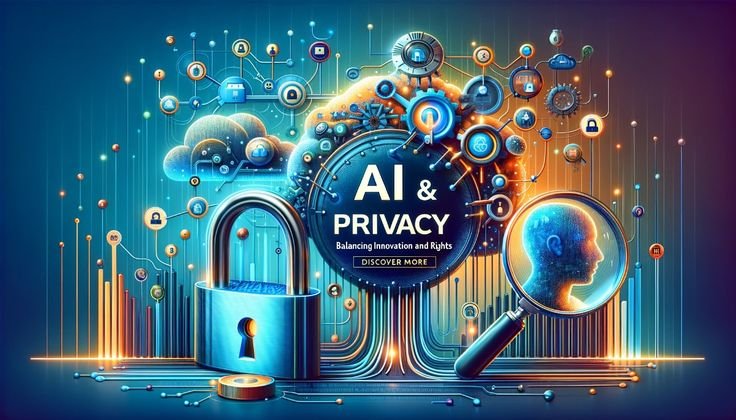
There are also concerns about employment, privacy, accountability, and overdependence on technology.
Organizations should therefore evaluate automation carefully before implementing it.
Important systems should have monitoring, security controls, backup procedures, and human oversight.
The Importance of Human Skills
Even in a highly automated future, human skills will remain valuable.
Creativity, leadership, empathy, communication, critical thinking, and ethical judgment are difficult to replace completely with automated systems.
People will likely work alongside technology rather than simply compete against it.
The ability to understand how automated systems work and how to use them effectively may become an important professional skill.
The Future of Automation
Automation is likely to become more intelligent and widespread.
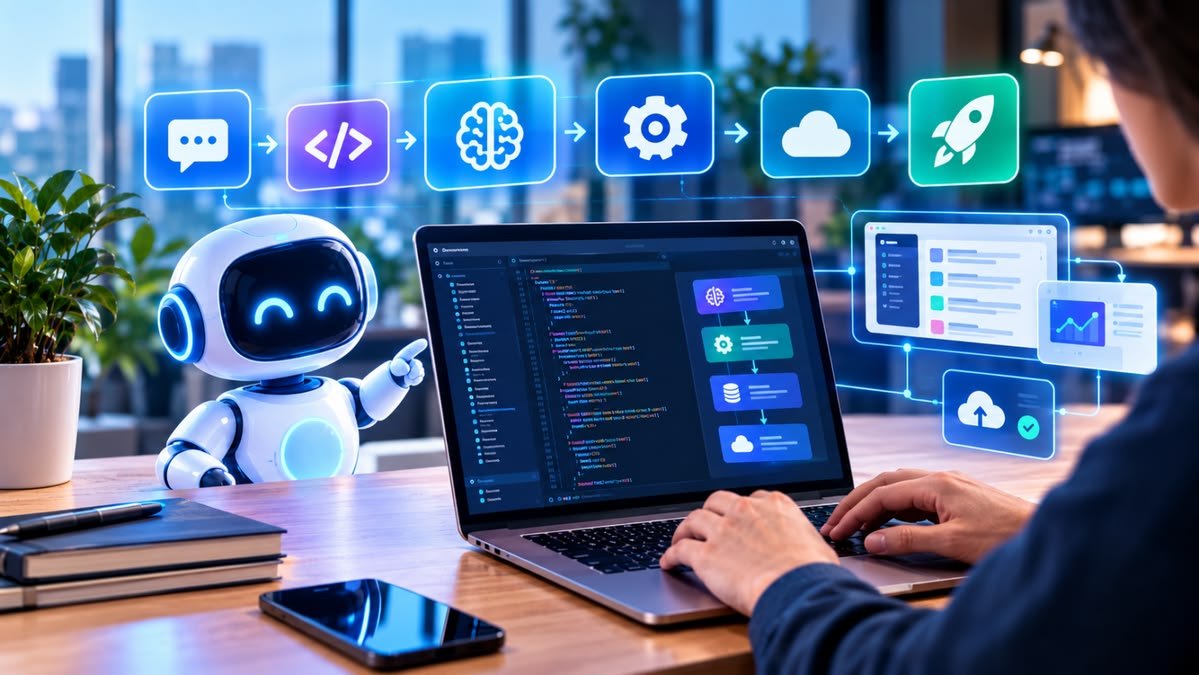
AI-powered systems may coordinate multiple processes at once, while connected devices could allow different systems to communicate automatically.
Businesses may use intelligent automation to manage operations, analyze information, and improve customer experiences.
Homes may become more responsive to individual preferences, while transportation and manufacturing systems may become increasingly automated.
The future will likely involve a combination of automated technology and human decision-making.
Building Responsible Automation
Organizations should focus on responsible implementation.
Before automating a process, they should understand its purpose, evaluate potential risks, protect sensitive information, and establish procedures for handling errors.
Employees should also receive appropriate training so they understand how new systems work.
Most importantly, automation should be used to create meaningful improvements rather than simply because a technology is available.
Conclusion
Automation is becoming a major force shaping the future of technology. It is transforming workplaces, manufacturing, transportation, healthcare, finance, customer service, and homes.
The benefits can include greater efficiency, improved productivity, reduced repetitive work, and faster services. However, automation also creates challenges involving security, employment, privacy, reliability, and accountability.
The most successful future will likely combine automation with human expertise. Technology can handle repetitive and data-intensive tasks, while people provide creativity, judgment, leadership, and oversight.
As automation continues to evolve, learning how to work alongside intelligent technology will become an increasingly important part of modern life and the future of work.